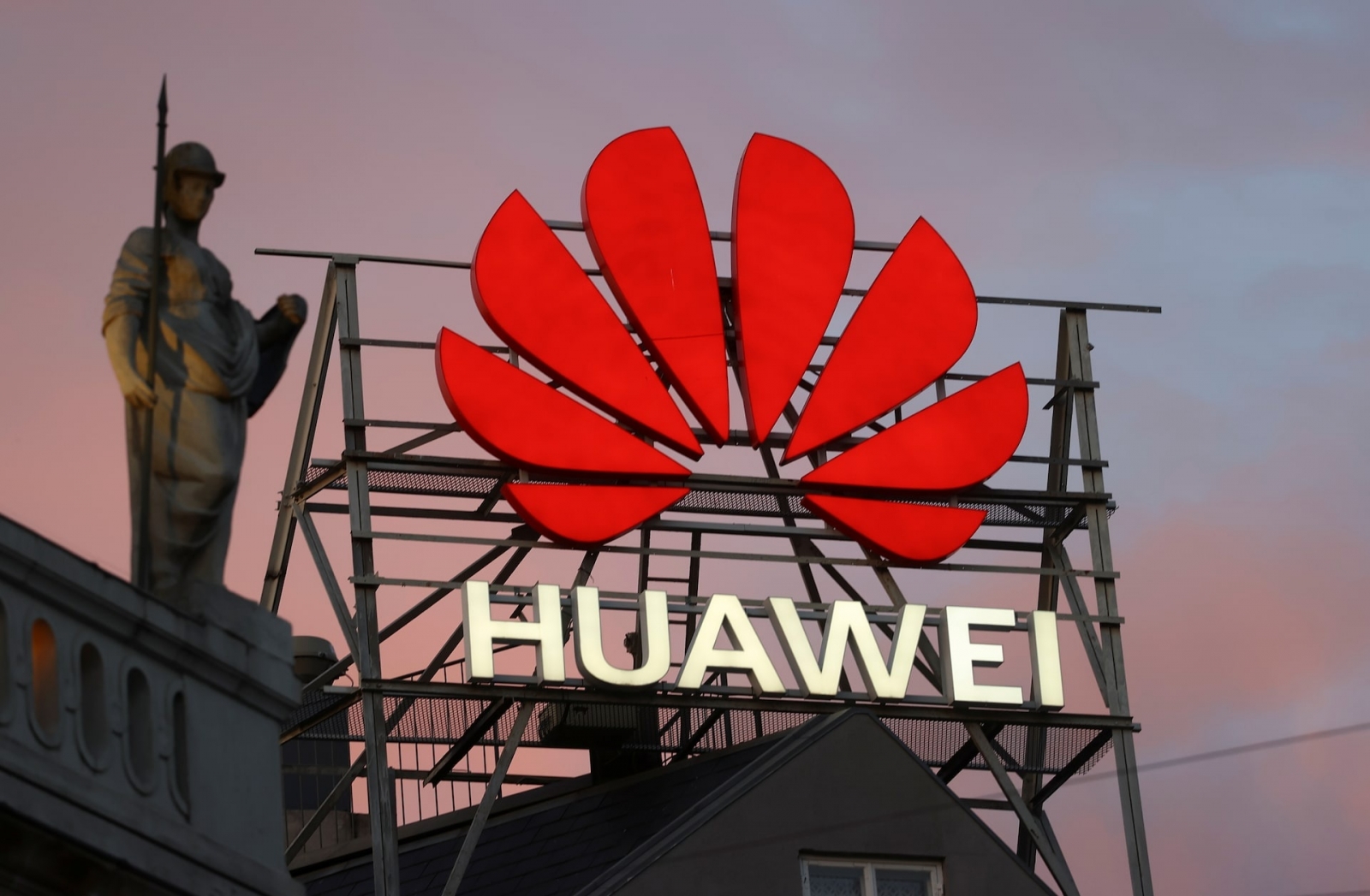
European telecom operators are pushing back against planned EU restrictions that could require the removal of Huawei and ZTE equipment from mobile networks. Industry leaders warn that a broad replacement program could cost as much as €40 billion and divert investment from fiber deployment, 5G expansion and future 6G development.
Seventeen executives from European telecom companies signed an open letter to EU institutions calling for a more balanced regulatory approach. The signatories include representatives from major network operators:
- Orange
- Deutsche Telekom
- Telefónica
The proposals under discussion would impose tighter requirements on equipment vendors judged to pose a high cybersecurity risk. While Huawei and ZTE are not explicitly named in the plans, the Chinese suppliers are the main companies expected to be affected. Operators could have three years to remove equipment after a vendor receives a high-risk designation.
National policies remain uneven
The European Commission called on member states to limit the presence of Huawei and ZTE in mobile networks in 2023, but implementation has varied across the bloc. National approaches currently include:
- Sweden has prohibited equipment from Huawei and ZTE in 5G infrastructure.
- France has taken a phased approach by declining to renew certain authorizations.
- Germany requires critical Huawei and ZTE components to be removed from 5G network cores by the end of 2026, with affected critical functions in network management systems due to be replaced by 2029.
The EU measures remain under debate. The central question is whether the bloc can align cybersecurity objectives with operators’ concerns that a mandated rip-and-replace program could slow infrastructure upgrades and next-generation mobile investment.