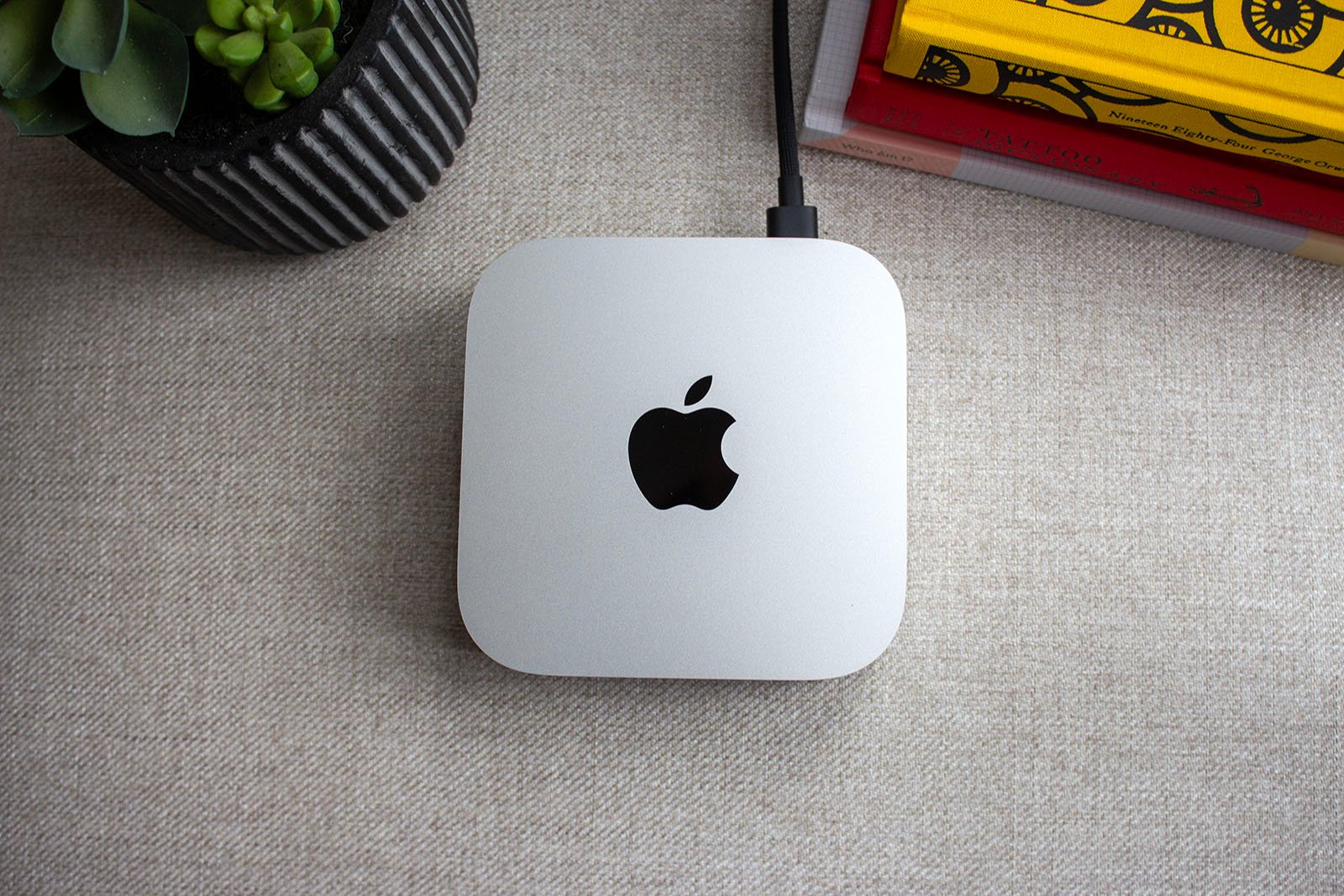
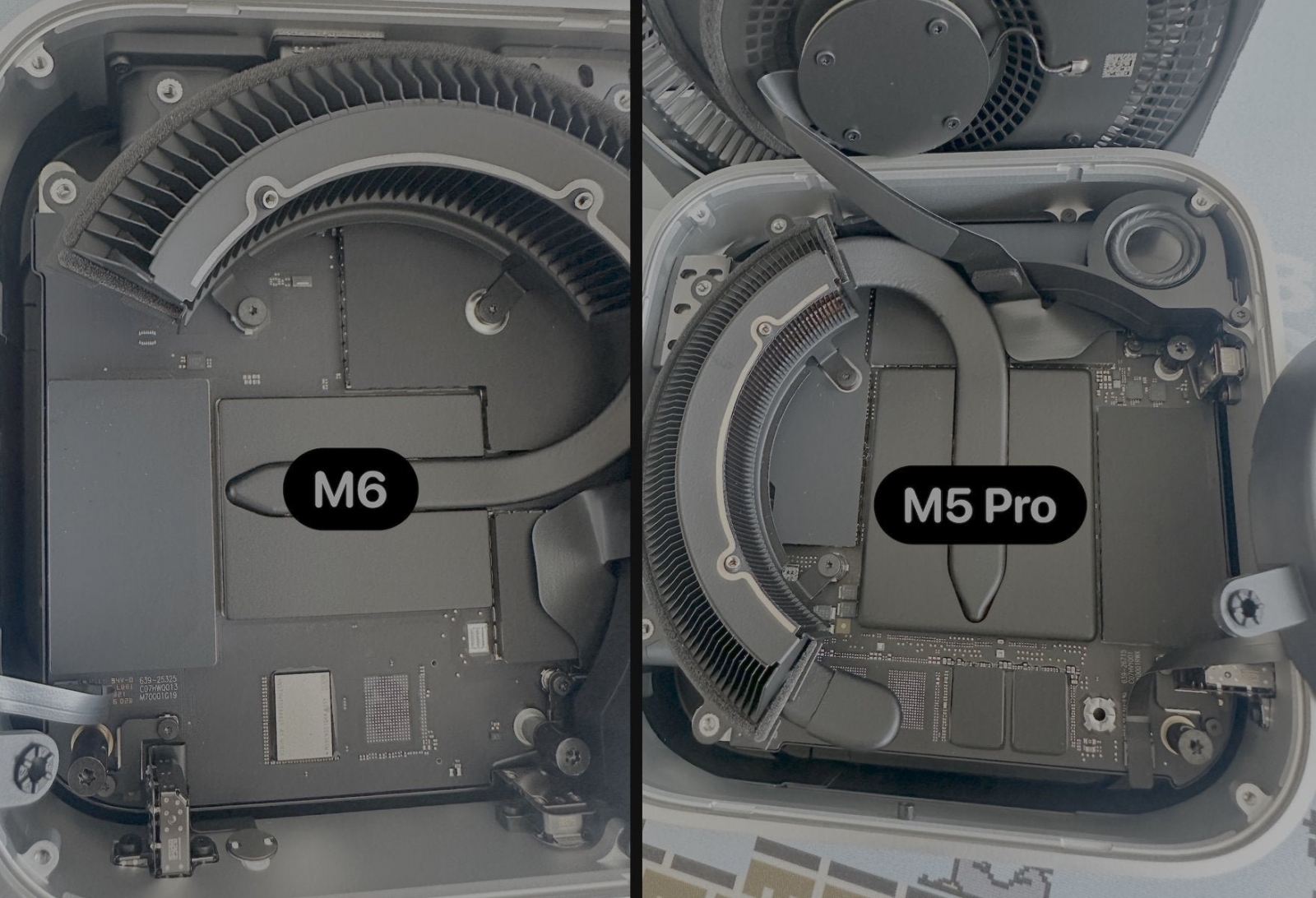
Apple’s Mac mini models based on the M6 and M5 Pro reportedly use NAND storage soldered directly to the motherboard, preventing owners from replacing or expanding the internal SSD after purchase. The change removes a flexibility offered by the M4 and M4 Pro generation, whose proprietary storage modules could be swapped for compatible third-party replacements.
Teardowns of the new models have identified the soldered-storage design. Companies that sell replacement modules for M4 Mac mini systems have said their products cannot be fitted to the M6 and M5 Pro machines, and currently consider support for the newer models unlikely.
The M4 generation was an exception in the recent Mac mini lineup. Its storage was not based on standard M.2 SSDs, but the removable modules gave buyers a route to add capacity later, potentially for less than Apple’s factory-configured storage upgrades. Earlier Mac mini models from the M1 era, including M2 and M3 Pro versions, also used soldered storage.
The entry-level 256GB Mac mini M6 has a separate limitation: it uses one NAND chip rather than two chips operating in parallel. Testing by AAPL Ch. indicates that this configuration is markedly slower than the 512GB model, although it still outperforms the 256GB Mac mini M4 in the same test.
| Configuration | Read speed | Write speed |
|---|---|---|
| Mac mini M6, 512GB | 6,371.5 MB/s | 6,577.4 MB/s |
| Mac mini M6, 256GB | 3,216.8 MB/s | 3,000.2 MB/s |
| Mac mini M4, 256GB | 2,792.5 MB/s | 2,014.5 MB/s |
The gap may matter most for large file transfers, video editing and other storage-intensive workloads. With the 256GB M6 configuration combining lower capacity, slower SSD performance and no internal upgrade path, storage capacity needs to be set at the time of purchase.