Tesla and SpaceX have formed special committees to evaluate a potential merger that could consolidate Elon Musk’s automotive, space, connectivity and AI interests in a single company. Discussions began in recent weeks, according to Reuters, but there is no assurance that a transaction will be completed.
I think it is a good idea.
Elon Musk
Musk is not participating in the negotiations because he is chief executive and a major shareholder of both companies. Independent directors are handling the review, and any eventual transaction would require shareholder approval.
No merger structure, agreed terms or share-exchange ratio has been disclosed. One option under consideration would have SpaceX acquire Tesla, and Tesla has reportedly already engaged an investment bank for advice.
Existing technology overlap
The companies already have several areas of technological overlap that could become internal programs under a combined business:

- AI software development
- Chip design and manufacturing
- Robotics and autonomous vehicles
- Starlink connectivity
- Transporting computing infrastructure into orbit
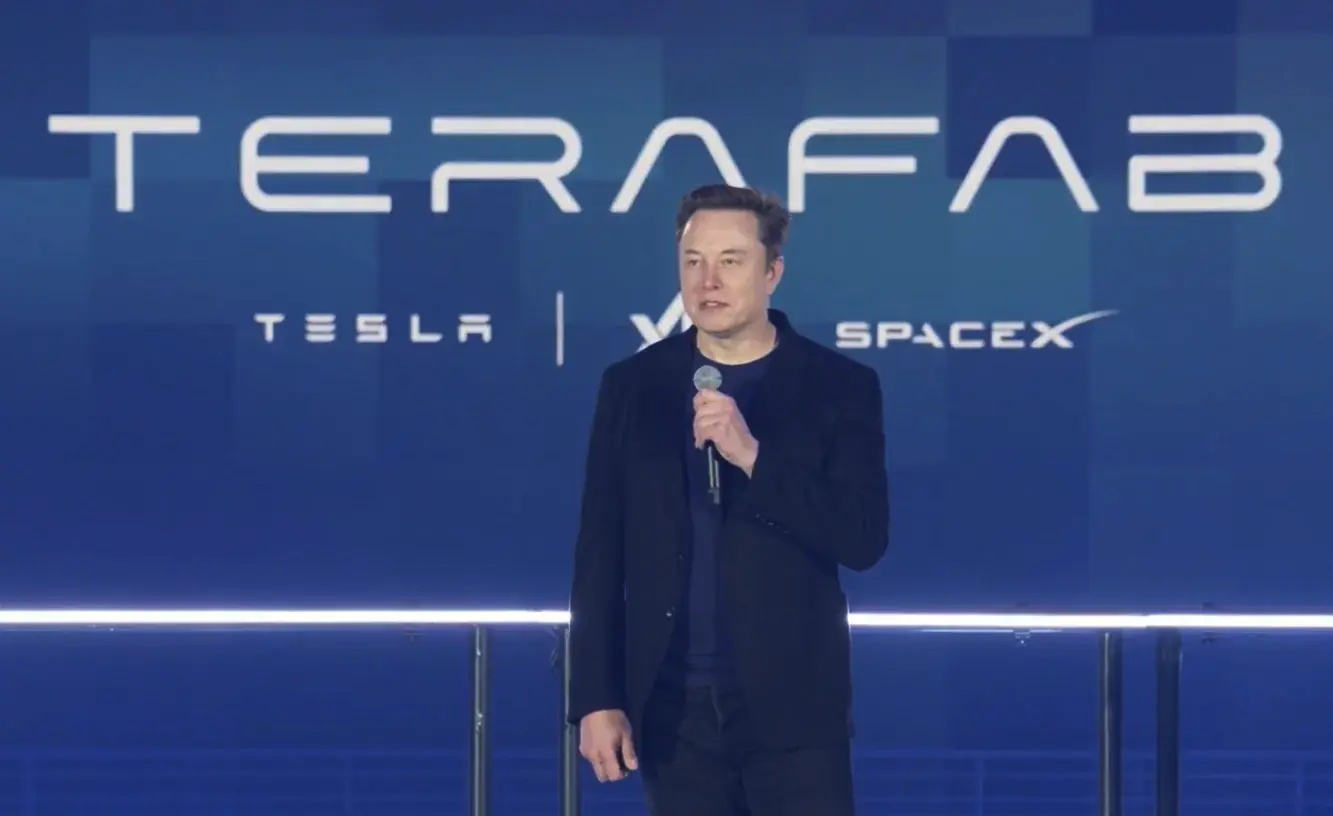
A concrete shared initiative is Terafab, a chip manufacturing and testing project planned in Texas. The first chip sample is targeted for May or June 2027, while volume production is planned for the third quarter of 2028.
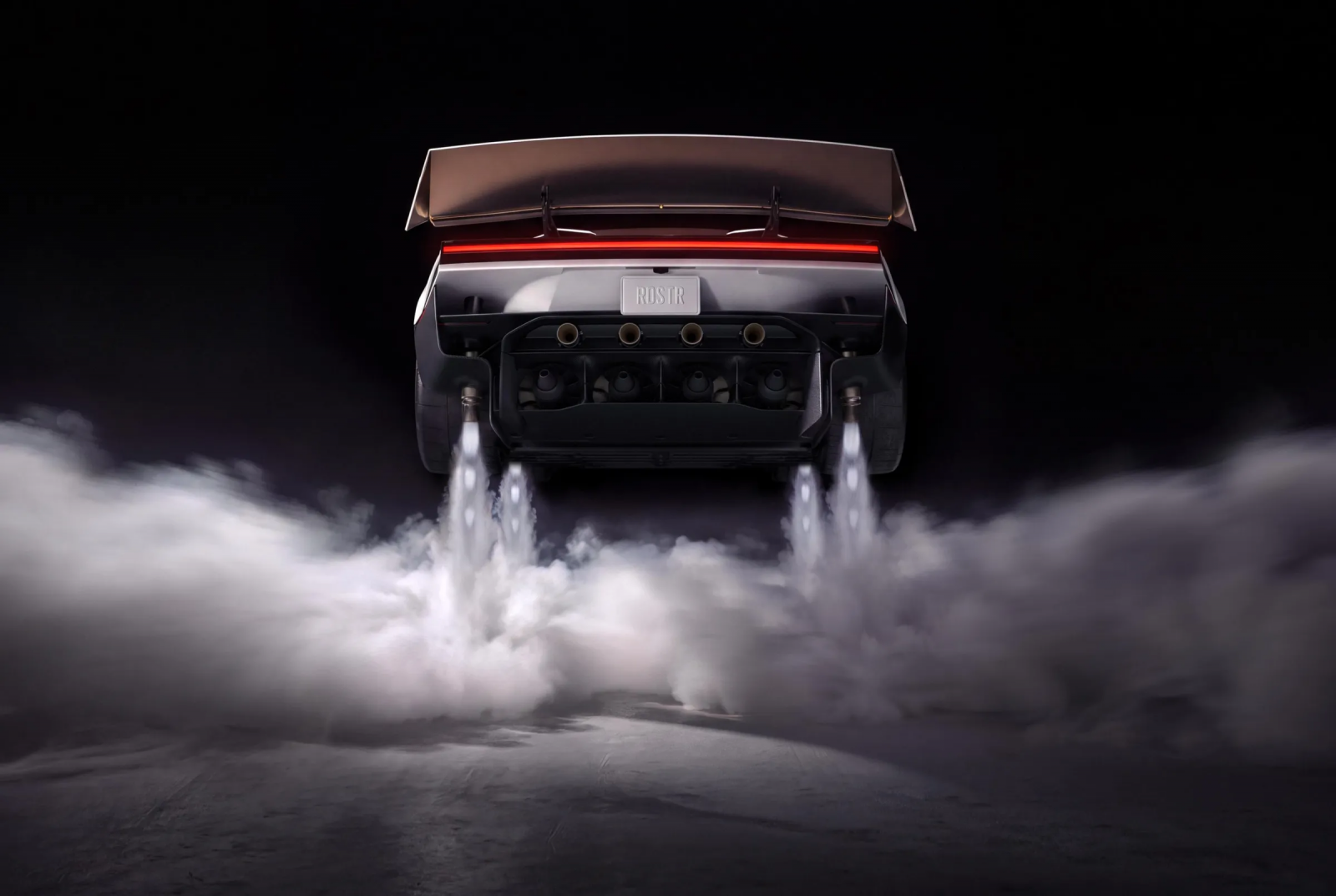
Tesla is also working on the D3 chip for space-based AI infrastructure, with SpaceX positioned to provide launch vehicles, satellites and connectivity. The upcoming Tesla Roadster also uses thrusters developed with SpaceX engineers.
Based on reported valuations of roughly $1.5 trillion for Tesla and nearly $2 trillion for SpaceX, the combined entity could be valued at about $3.5 trillion before the final transaction structure is determined.
The scale of a deal would raise difficult questions over shareholder consideration, Musk’s control, the separation of SpaceX government contracts from Tesla’s commercial operations, and potential regulatory scrutiny.
SpaceX revenue shifts toward AI
The merger discussions emerged alongside SpaceX’s quarterly results. The company reported $14.58 billion in revenue, up 161% year over year, and net income of $4.4 billion, compared with a $1.1 billion loss in the same quarter a year earlier.
Its AI division generated $7.56 billion in quarterly revenue, nearly 10 times the prior-year figure and more than Starlink. Connectivity services generated $5.2 billion and reached 13.6 million subscribers.
Those figures underline the strategic logic behind a closer combination, but the proposal remains at an early stage. Deal terms, shareholder approval and regulatory clearance would all still need to be secured before Tesla and SpaceX could become one company.