Dacia is asking European policymakers to pause the introduction of new requirements for small cars, arguing that regulatory compliance now consumes about a quarter of its research and development budget and engineering resources. The Renault Group brand is not calling for existing rules to be removed, but wants the list of additional obligations to stop growing for this part of the market.
- Around 100 safety and emissions requirements have already been implemented.
- Another 107 requirements are expected by the end of the decade.
- Dacia says roughly 25% of both its R&D spending and engineering effort is dedicated to compliance.
The pressure is particularly acute for value-focused vehicles, where the cost of sensors, cameras, electronic modules, validation and software development represents a larger share of the final price than it would on a premium vehicle. Dacia has long built its market position around keeping entry prices low, leaving less room to absorb mandated hardware and development costs.
Adt has pointed to Dacia’s My Safety function as an illustration of the tension. The feature lets drivers quickly restore a preferred configuration for advanced driver-assistance systems and reduce some of the audible alerts that return when the vehicle starts. She says it has become one of the most-used controls in Dacia vehicles.
The question is whether these are exactly what the customer needs and wants.
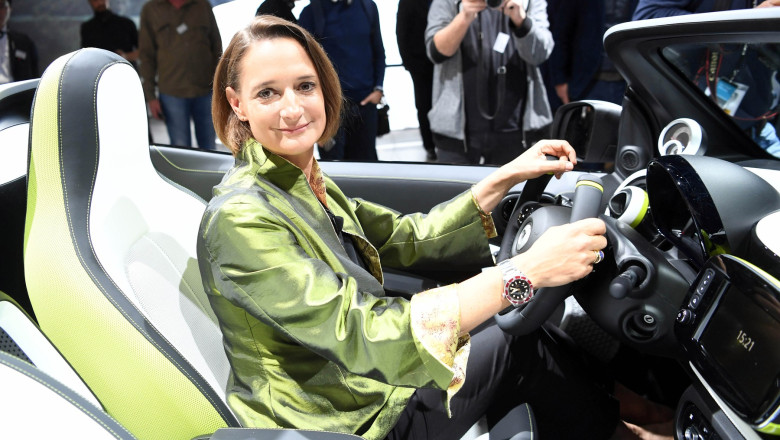
Katrin Adt, Dacia CEO
That does not make the mandated technology superfluous. The EU’s General Safety Regulation requires a growing range of equipment on new vehicles, and the European Commission estimates the measures could help save more than 25,000 lives by 2038.
- Intelligent speed assistance.
- Driver drowsiness and attention warning.
- Automatic emergency braking.
- Lane-keeping assistance.
- Parking sensors or a reversing camera.
- An event data recorder.
Why the Sandero is central to the argument
The Sandero shows how quickly the economics of the entry-level segment have changed. Its first generation started at about €7,800 in 2008, while the current model has been cited with a starting price of roughly €13,990 in some markets—a nominal rise of close to 80%. That increase cannot be assigned solely to EU regulation: inflation, new generations of powertrains, energy and material costs, labor, comfort equipment and broader vehicle development all contribute.
Still, the modern Sandero carries substantially more required technology than its 2008 predecessor. Beyond basic ABS and airbags, current cars must accommodate functions such as automated emergency braking, lane support, traffic-sign recognition, speed warnings, driver-attention monitoring, additional sensors and more complex electronics. Tighter emissions standards, cybersecurity obligations and more demanding type approval processes add further development work.
Dacia’s concern comes as its volume performance faces pressure. The Sandero remained Europe’s best-selling car in the first half of 2026, but its sales volume was down 12.5%, according to the figures cited by the company. Renault Group reported 327,077 Dacia vehicles sold globally in the first half, down 8.1% year over year, while the brand’s European passenger-car share stood at 3.9%.
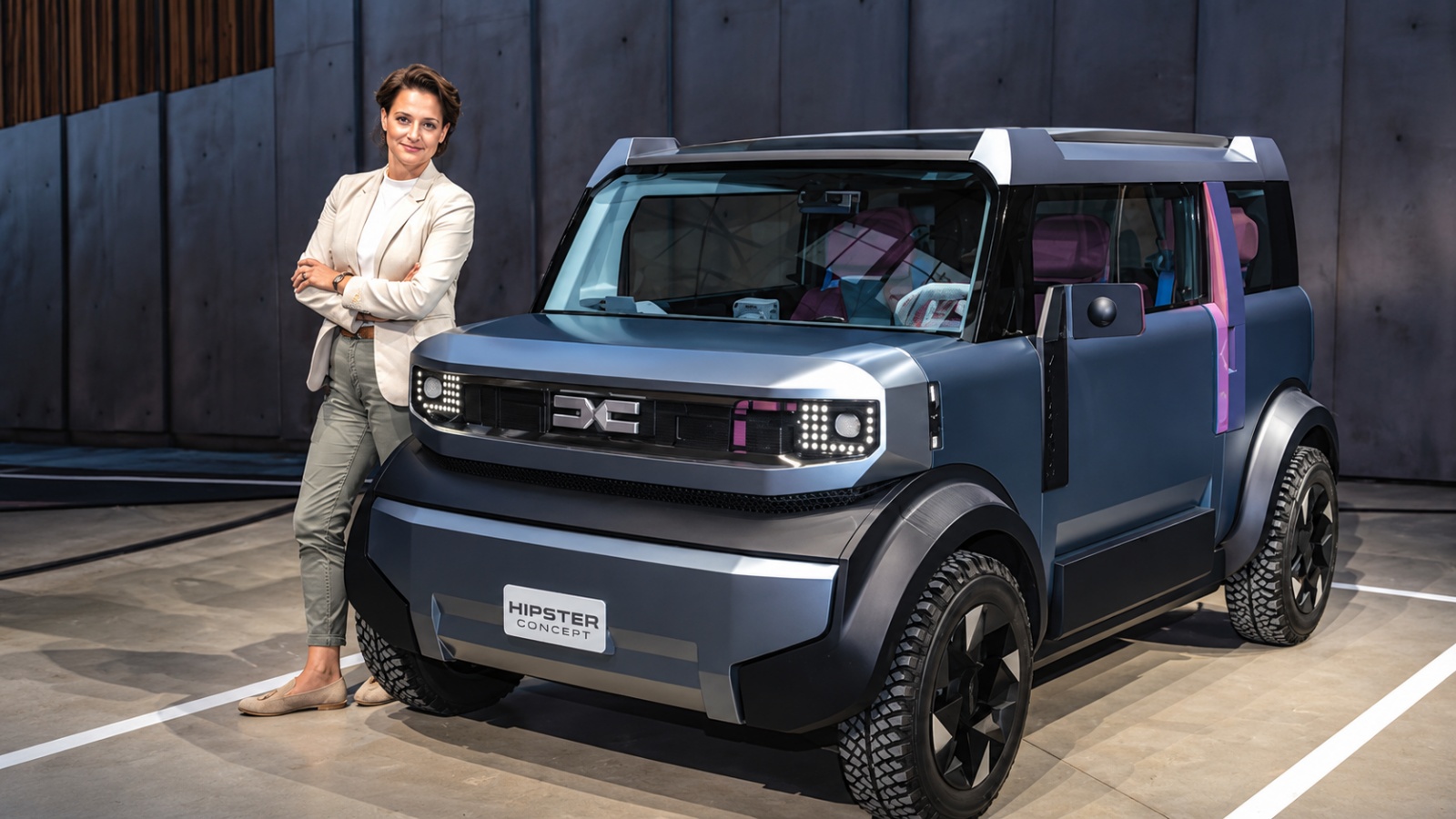
The wider strategic issue is the prospect of a genuinely low-cost electric car. Dacia’s Hipster concept follows a “only what is needed” approach, and the company argues that a production EV priced below €15,000 would also depend on simplified rules for small urban cars. Meanwhile, the newer Spring demonstrates the challenge of retaining that price point, with Dacia’s most affordable EV moving toward the €18,000 range.
Dacia is not alone in seeking a regulatory slowdown. Renault Group CEO François Provost proposed in May that new rules for small cars be frozen for 10 years while retaining those already in force. European institutions are also working on the idea of an M1e category for compact electric vehicles, where the introduction of further obligations could be limited. The details of that category may determine whether a €15,000 European EV becomes commercially viable.