Chinese automakers including BYD, Geely, Chery and Dongfeng are actively looking for established European factories, according to Reuters, accelerating a shift from exporting China-built EVs to producing vehicles within the EU. The strategy could help companies sidestep import-related trade barriers while positioning them for proposed “Made in EU” criteria tied to future support and procurement.
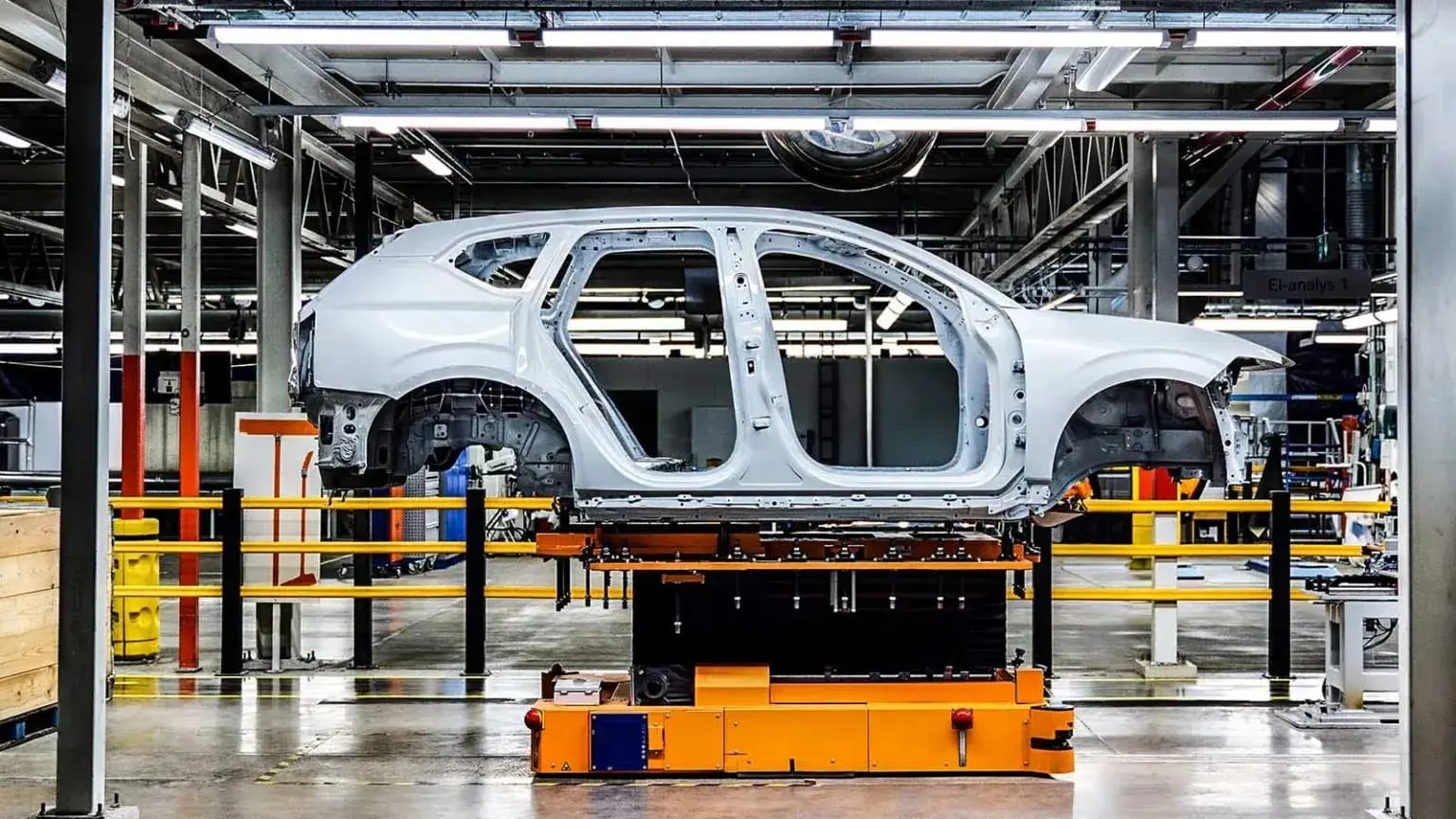
Buying into or sharing an operating plant offers a quicker route than a greenfield project: trained workers, supplier networks, logistics links and existing industrial infrastructure are already in place. BYD is reportedly considering assets in France and Spain and expects to need three vehicle plants and one battery factory in Europe over time.
We all meet at airports.
Alfredo Altavilla, BYD special adviser for Europe, speaking to Reuters
Manufacturing capacity becomes a strategic asset
The European Commission’s proposed Industrial Accelerator Act goes beyond the location of final assembly. It would introduce “Made in EU” criteria for certain support measures and procurement, while seeking to ensure that major strategic-sector investments create more value within the bloc through manufacturing, jobs, suppliers and, in some cases, technology.
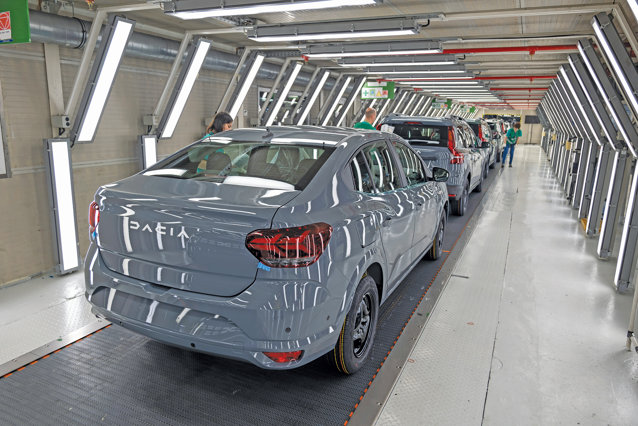
The measures are still moving through the legislative process and do not establish a final universal local-content threshold for every vehicle. Even so, the policy direction gives manufacturers an incentive to secure European capacity before new requirements take effect.
Several routes to European production are already emerging:
- Ford and Geely have announced a Valencia manufacturing partnership in which Ford retains 66% and Geely Auto holds 34%. The facility is set to build Ford vehicles alongside two Geely electric SUVs.
- Chery is already using industrial capacity in Barcelona.
- Leapmotor is producing vehicles through Stellantis infrastructure.
- Dongfeng is examining similar manufacturing arrangements.
Ford says the Valencia arrangement will improve utilization of the plant and reduce per-vehicle costs through combined volumes. For Geely, it provides European production without the years normally required to construct a new factory.

Renault and Geely already have a global template
Geely and Renault have existing industrial partnerships outside Europe. In Brazil, Geely acquired a 26.4% stake in Renault do Brasil, gaining access to the Renault Ayrton Senna plant and its production infrastructure. The companies also announced €319 million in joint Brazilian investments.
In South Korea, Geely holds about 34% of Renault Korea, while Renault’s Busan plant already produces vehicles based on Geely technology. Renault and Geely also each own 45% of HORSE Powertrain, with Aramco holding the remaining 10%.
The larger question for Europe is not only where vehicles are assembled. Local factories can preserve jobs, strengthen supplier contracts and bring more battery and component production into the region, but control of vehicle platforms, battery chemistry, software, semiconductors and intellectual property remains central to long-term industrial influence. The eventual details of the EU’s local-value rules will determine how much of that technology is expected to move with the factories.