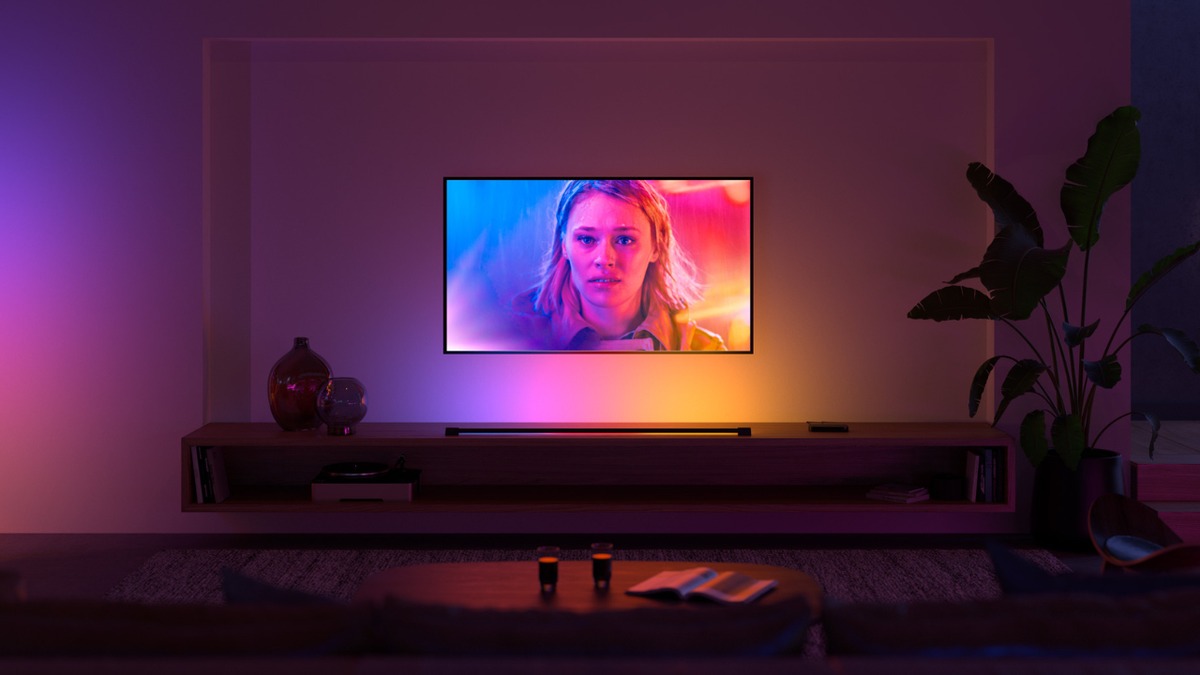
Signify is broadening the Philips Hue ecosystem beyond connected bulbs with new entertainment hardware and software announced at IFA 2026. The standout addition is Philips Hue Play Screen Sync, a camera-based system that can synchronize Hue lights with content from a TV’s built-in apps and conventional broadcast television, rather than relying solely on an HDMI signal.
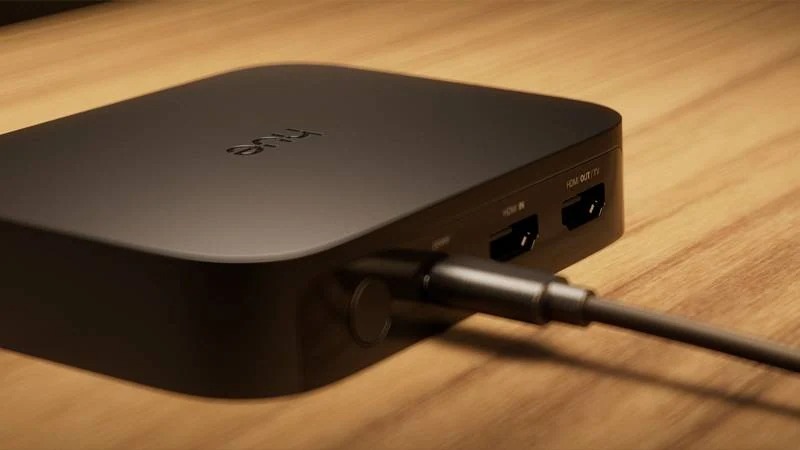
Play Screen Sync uses a fisheye camera to monitor the TV image and match connected Hue lighting to the colors on screen. Pricing starts at €119.99. Signify is also introducing a more compact Philips Hue Play HDMI Sync Box 4K, designed for setups with one HDMI input and priced from €149.99.
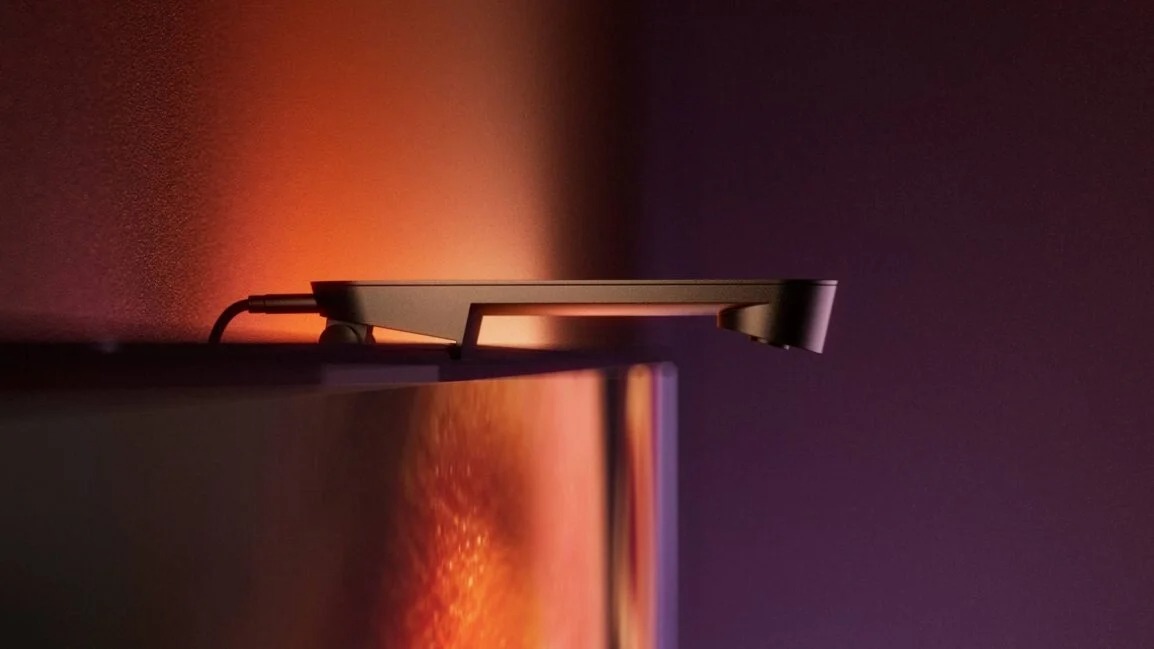
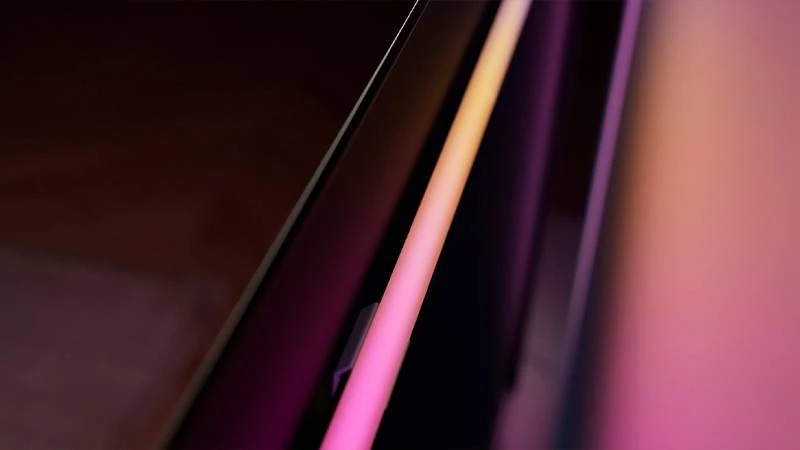
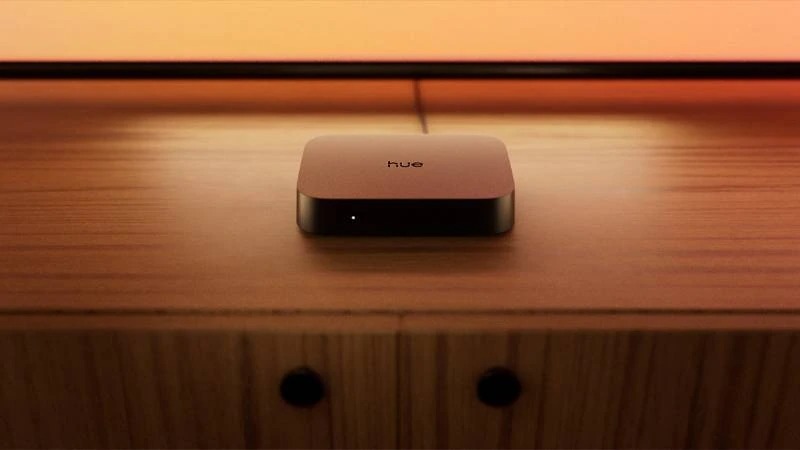
Both TV-sync options can run without a Hue Bridge when paired with a single gradient lightstrip over Bluetooth. Adding a Hue Bridge or Hue Bridge Pro expands the setup to support up to 10 synchronized lights. Hue is also extending its gradient lightstrip range, including an option for televisions up to 100 inches.
The company is opening a link to a competing smart-lighting ecosystem through the Hue Wall Light Module. Starting at €39.99, the module brings compatible Nanoleaf Shapes panels into Hue scenes and automations, allowing the panels to be controlled alongside Hue products.
Hue Bridge Pro users will gain Custom AI Behaviors in early October in supported languages. The feature lets users describe a lighting automation in natural language, with the Hue app turning the request into triggers and actions. Signify is also adding Back-up & Restore cloud storage for lights, scenes and automations.

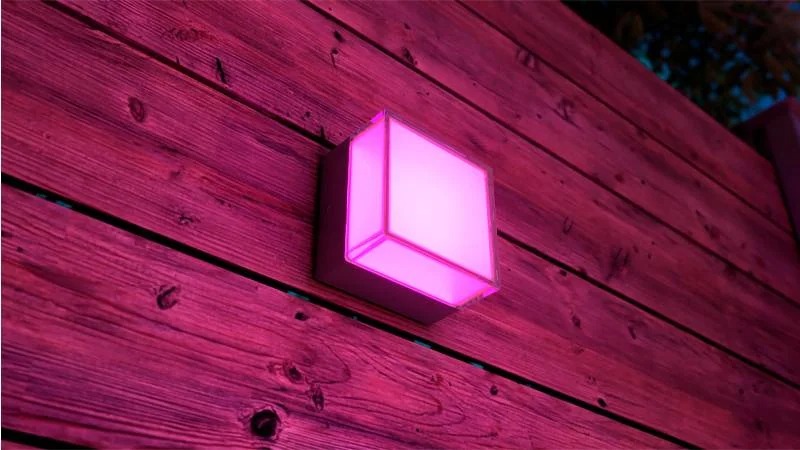
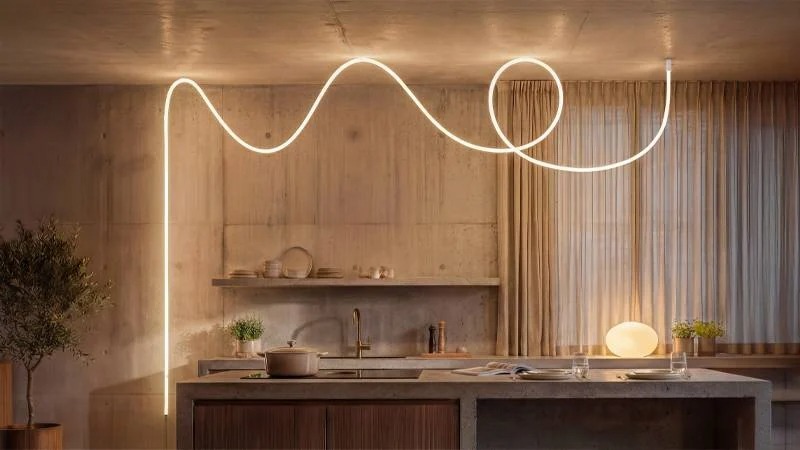
Sonos integration is scheduled to follow in November, when selected Hue switches will be able to control Sonos speakers directly. Other additions include the 360-degree flexible Liane light, new Signe models, outdoor Festavia lighting and further indoor and outdoor fixtures.






Play Screen Sync, the Play HDMI Sync Box 4K and the Hue Wall Light Module are set to become available on September 3, while the new gradient lightstrips are scheduled for September 15. The timing and regional scope of the October AI rollout and November Sonos controls have not been further detailed.