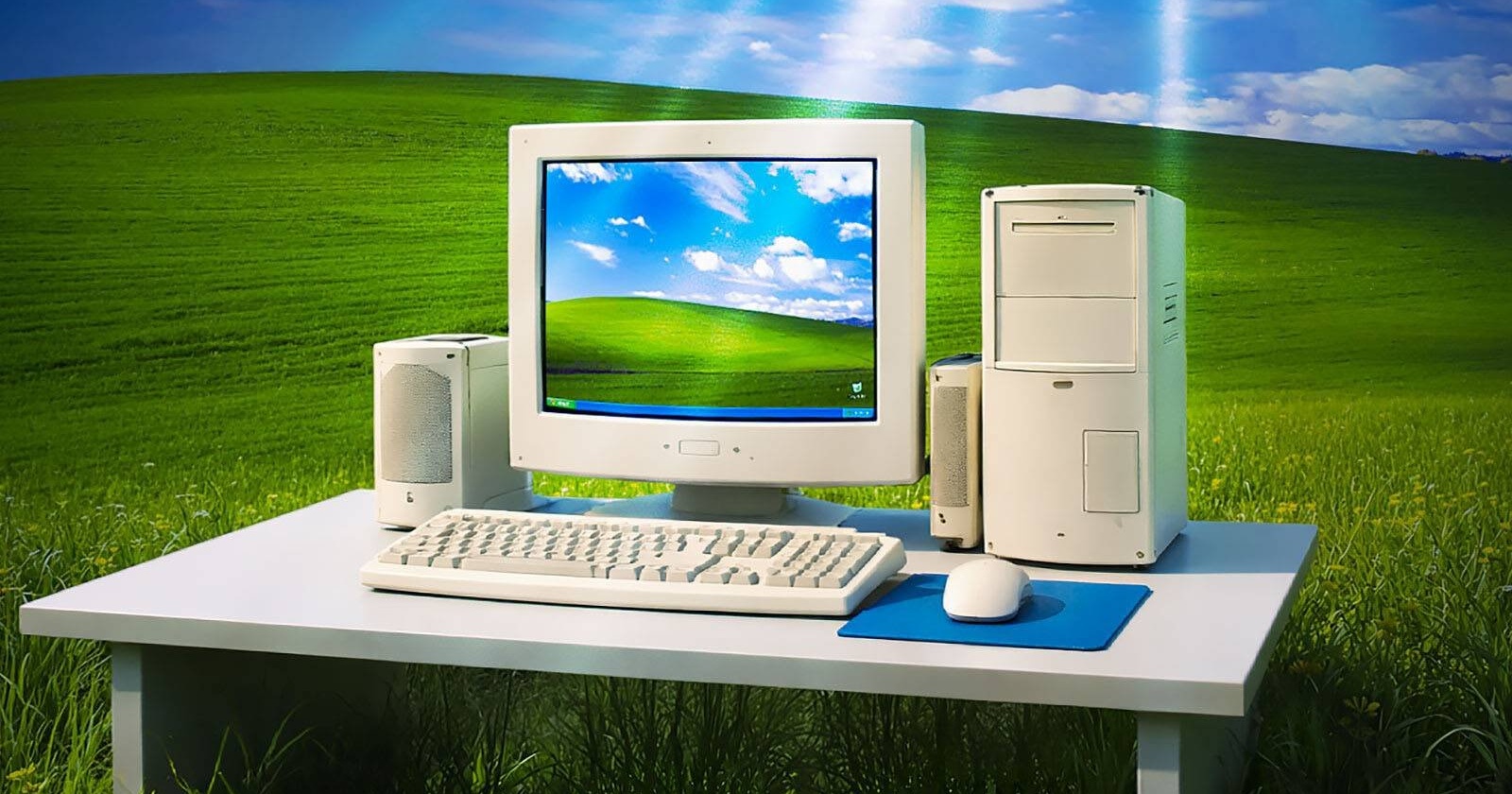
Windows XP marks 25 years since its public debut on October 25, 2001, a milestone for an operating system that brought Microsoft’s NT architecture to mainstream home PCs and remained in use for years beyond its intended hardware generation. The finished software had reached PC manufacturers on August 24, 2001, but the October launch in New York was the start of its commercial life.
XP’s importance came from consolidating Windows product lines that had previously served different audiences. Microsoft’s consumer releases had emphasized home computing, games and peripherals, while the Windows NT line was aimed at workplaces and administration. Windows XP Home succeeded Windows Me, while Windows XP Professional took over the role held by Windows 2000 Professional.
- Windows 95, Windows 98 and Windows Me represented the consumer-oriented branch before XP.
- Windows NT and Windows 2000 formed the more business-focused, stability-oriented branch.
- Windows XP combined the NT technical foundation with an interface designed for broad consumer use.
The platform emerged from Microsoft’s Neptune and Odyssey efforts, which were eventually combined under the Whistler project. Microsoft announced the Windows XP name in February 2001, with “XP” standing for “experience.” For users moving from Windows 98 or Me, the NT-based system offered more robust memory and process management, making a single stalled application less likely to bring down the entire PC. It did not eliminate driver problems, incompatibilities or blue-screen crashes, but it made Windows more predictable for many users.
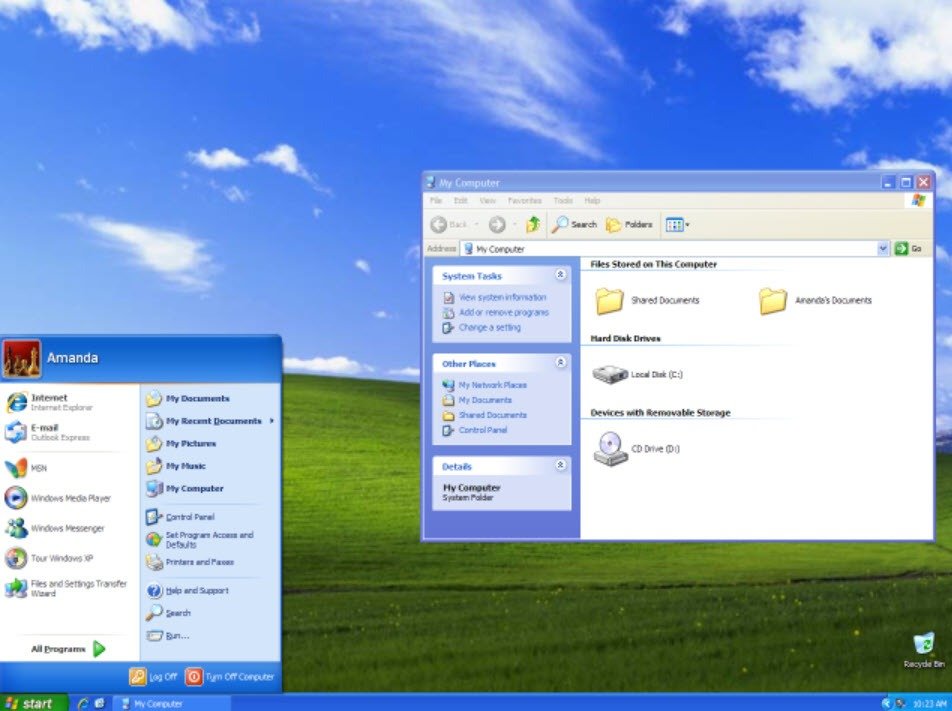
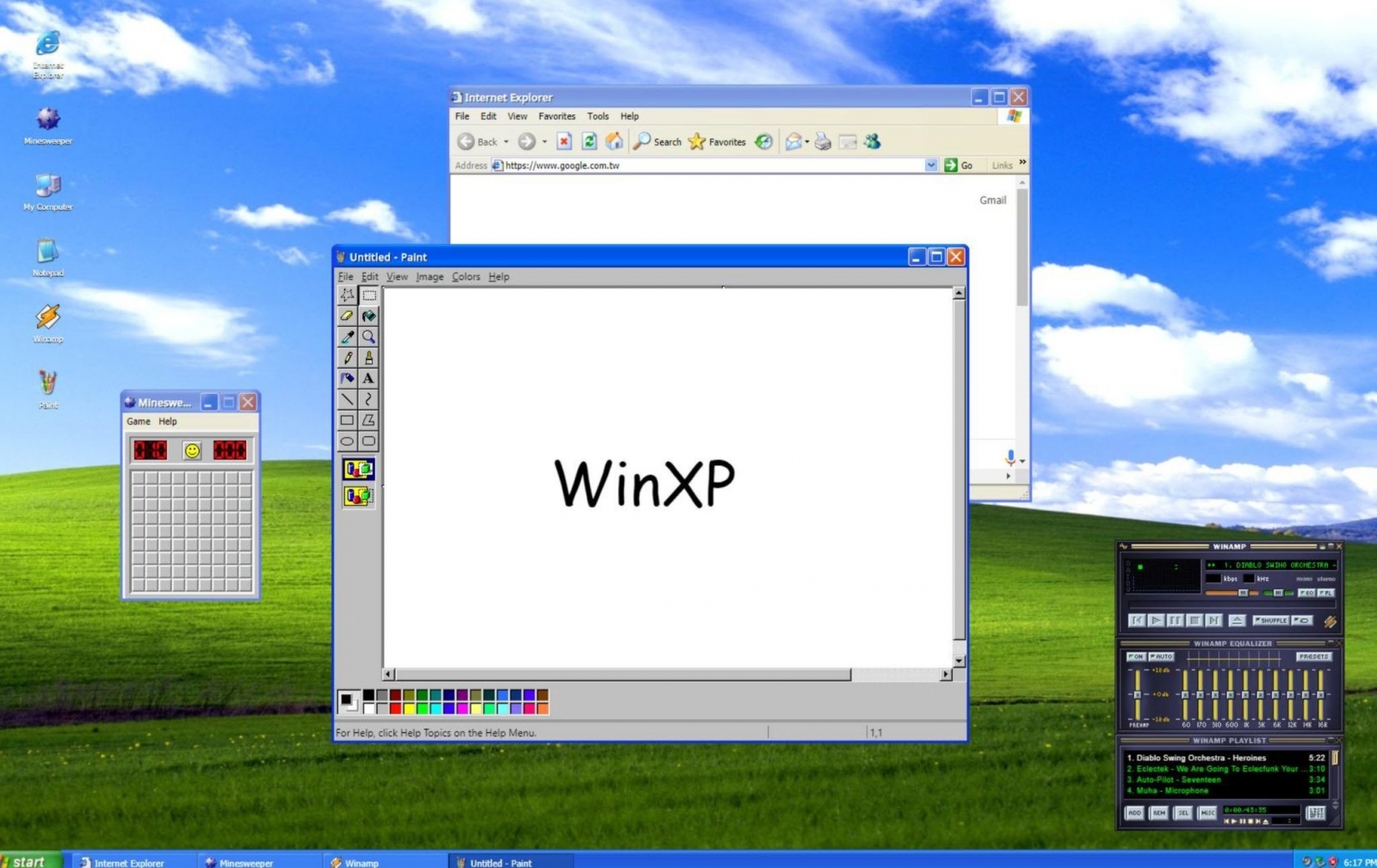
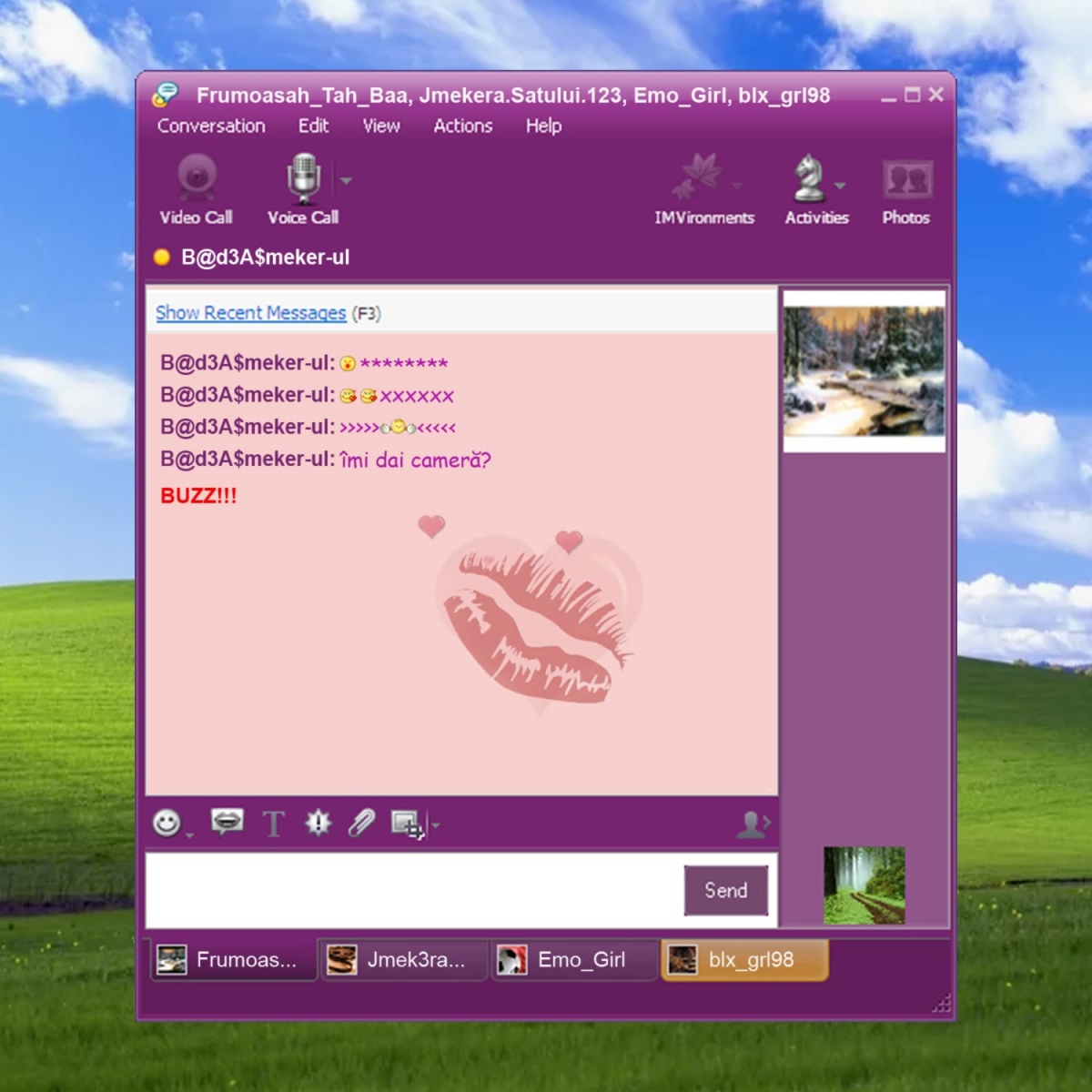
Its visual identity was equally memorable. The Luna interface introduced bright colors, rounded windows and a reorganized Start menu, while Fast User Switching let multiple household members keep separate sessions open. ClearType improved text rendering on LCD displays, and the category-based Control Panel made settings easier to navigate. XP also bundled tools for music, photos, communications and home networking, with the Professional edition adding workplace and remote-access capabilities.
A long life, followed by a security reckoning
The original release was not the fully matured XP many users remember. Security weaknesses, malware, difficult driver searches and reinstalls were common parts of the experience. Service Pack 2, released in 2004, significantly changed the platform’s security posture with stricter settings, a firewall enabled by default and a Security Center that monitored protection status.
Its installed base illustrates why XP became so hard to displace. An IDC estimate cited by the Computer History Museum put more than 400 million copies of Windows XP in use in January 2006, before Windows Vista reached consumers in January 2007. The more than five-year gap between the public launches gave XP time to build a vast ecosystem of applications, games and peripherals.
Microsoft ended extended support for Windows XP on April 8, 2014, leaving it unsuitable for routine internet-connected use. Statcounter data for September 2026 put XP at about 0.05% of Windows-version usage worldwide, showing that the platform still has a small residual footprint despite its age and lack of support.
XP’s technical legacy was its successful move to a common Windows foundation across home and professional PCs. Its broader cultural legacy may be the “Bliss” wallpaper, photographed by Charles O’Rear in California—a real landscape that became one of the most widely seen images in personal computing.